Studies that have used ADDRESS-2 to find participants
The page summaries the outcomes so far from studies that have used ADDRESS-2 to get the message out to more eligible people that there was an opportunity to take part in type 1 diabetes research study.
MonoPepT1De
This study showed that giving adults newly diagnosed with type 1 diabetes injections of a proinsulin peptide immunotherapy was safe. It also hinted that the new treatment might help people to keep making some of their own insulin.
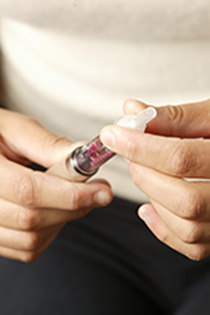
The study was run by Prof Mark Peakman from King’s College London and Prof Colin Dayan from Cardiff University and 5 hospitals in the UK took part. A number of participants in ADDRESS-2 chose to be screened for the study, which enrolled participants from 2012-2014.
The research team wanted to investigate whether a proinsulin peptide immunotherapy could be used to train the immune system in a similar way to the way immunisations work to slow or halt the destruction to insulin-producing beta cells. The first step was to test whether the immunotherapy was safe, which is what this study showed. Other studies are looking at the safety of multiple peptides with the aim of training the immune system more broadly.
Find the published research article
Read about the studies we are supporting
Find out how to get involved
Type 1 Diabetes Genetic Risk Score
Genetic samples from ADDRESS-2 participants are being used to investigate the usefulness of a type 1 diabetes genetic risk score.
Dr Kashyap Patel and Prof Andrew Hattersley from the University of Exeter have been given access to DNA samples from ADDRESS-2 as part of their investigation of genetic risk scores for diabetes. The Exeter research team developed a genetic risk score for type 1 diabetes based on genetic ‘signatures’ known to be associated with type 1 diabetes.

One aim of genetic risk scores is to help doctors to differentiate between type 1 and type 2 diabetes when the type is not clear at the time of diagnosis. Genetic risk scores can also help to understand differences in genetic susceptibility between groups of people, for example between people with type 1 diabetes from different ethnic groups.
What they have found so far is that there are differences in genetic risk score between childhood-onset and adult-onset type 1 diabetes in people who do not have diabetes autoantibodies, whereas children and adults with diabetes autoantibodies have similar genetic risk scores.
Approximately 85% of people newly diagnosed with type 1 diabetes have diabetes autoantibodies. They are measured via a blood test and provide evidence that the body is mistakenly attacking the insulin-producing cells in the pancreas.
Read about the studies we are supporting
Find out how to get involved